A Professional's Review of the Kitchen Utensils Embroidery Design
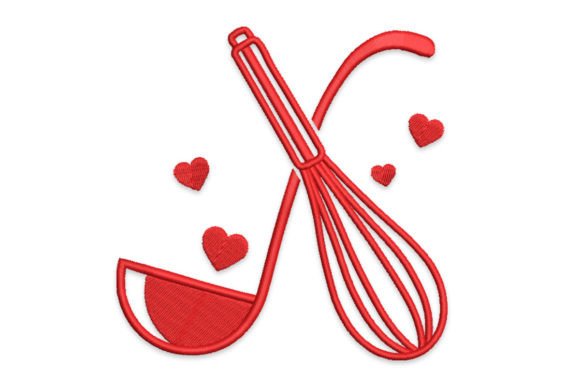
As an embroidery designer preparing a new line of personalized gifts for my shop, I always test a design thoroughly before it goes to a customer. Today, I'm reviewing the Kitchen Utensils embroidery design, imagining it on a custom dish towel a client might order as a housewarming present. My goal is to see if this machine embroidery design not only stitches well but tells a story that a customer will want to keep.
First Impressions: Warm, Classic, and Full of Homely Charm
The moment I opened the embroidery file, the mood was clear. This isn't a modern, minimalist graphic. It feels classic, handmade, and wonderfully warm. There’s an inherent charm in a collection of utensils; it speaks to the heart of the home, to cooking together, and to the comforting rituals of the kitchen. The detail level suggests a design that will have a lovely texture when stitched, creating a product that feels crafted rather than mass-produced. This emotional appeal is exactly what buyers of personalized gifts are seeking—a piece that feels thoughtful and connected to daily life.
The Versatility of Kitchen Utensils for Personalized Products
While the product description mentions kitchen textiles, the potential for this design extends far beyond aprons and pot holders. Its classic, sweet nature makes it incredibly versatile for the gift-focused crafter.
- For Baby & Nursery: Stitched subtly on a corner of a baby blanket or a wall hanging, it becomes a gentle nod to family and home from the very start. It could beautifully complement a name embroidery on a nursery item.
- For Wedding & Keepsakes: Imagine it embroidered on a linen pillow cover or a custom tote bag for a couple who loves to cook. As a wedding gift, it’s a timeless emblem of building a home together.
- For Family & Everyday Luxury: This design shines on personalized towels, aprons, or even a tea cozy as a meaningful family keepsake. It transforms a simple functional item into a cherished object.
- For Small Business Products: For the Etsy seller or craft fair vendor, this design is a ready-made product line. It can anchor listings for embroidered kitchen sets, blanket embroidery, or custom small shop products. A high-quality finished product with this design immediately conveys a theme of warmth and craftsmanship.
Practical Considerations for Perfect Stitching
The charm of a design is lost if it doesn’t stitch cleanly. For Kitchen Utensils, success depends on mindful application. Here are the key points I would test before offering it to a client.
Navigating Details and Fabric Choices
Based on the design's likely composition, areas with small lettering or delicate utensil details demand attention. I would always test on scrap fabric first, matching the final material. Thick towels or textured fabric require proper stabilizer to prevent puckering. For stretchy baby clothes or items with curved surfaces like tote bags, careful hooping and stabilization are non-negotiable.
Thread color contrast is paramount. I would run tests on both light and dark fabric mockups to see which palette makes the design pop. On dark fabric, a thoughtful choice of thread colors can make the design stand out beautifully. After stitching, a close inspection to check small details is crucial—a missed stitch on a small element can undermine the whole piece.
The Foundation: Hoop, Density, and Licensing
While I don't have the exact specifications from the file, the process remains the same. I must confirm hoop size suitability for my target products—a dish towel might need one size, a pillow cover another. Review stitch density informally by looking at the file preview; a very dense design might be challenging on delicate fabrics. Most importantly, for any commercial embroidery, I must confirm commercial licensing before selling finished products. Using a digital embroidery file for business requires clear rights, a step that protects my shop and my customers.
How Kitchen Utensils Elevates a Gift Business
From a business perspective, this design isn't just a pattern; it's a tool for building trust and connection.
- Giftability & Perceived Value: An embroidered towel with this design feels instantly more valuable than a plain one. It’s clearly a personalized gift, which enhances its giftability for occasions like weddings, new homes, or birthdays.
- Customer Trust & Handmade Quality: A clean, well-executed stitch of a classic design like this communicates handmade quality. It shows care and expertise, building trust with buyers who seek authenticity.
- Emotional Connection & Buyer Engagement: This design invites storytelling. In product photography or an Etsy listing description, I can talk about the "heart of the home" or "family recipes." That emotional connection directly increases buyer engagement.
- Product Photography & Custom Order Preview: For my shop, I would create a printable mockup or a photo of a stitched sample on a beautiful towel. This visual proof, showing the design as a finished product, is critical for selling online and for custom order previews.
Final Thoughts for the Crafting Entrepreneur
The Kitchen Utensils embroidery design, from the Kitchen Cooking category, is more than a decorative motif. When treated with the practical care of testing and the creative vision of a gift-maker, it becomes a powerful asset. It can adorn a baby embroidery blanket, grace a wedding gift apron, or become the signature line for a small business specializing in home goods. Its classic warmth meets a real market desire for meaningful, custom-made items.
My recommendation is to embrace its versatility but respect its details. Start by stitching it on your own scrap of fabric, as if for your own kitchen. See how the thread colors lay, how the stabilizer performs, and feel the texture it creates. That hands-on test is the final, most important review. If it passes your own quality check, then you have a design that will not only stitch beautifully but will resonate deeply with customers looking for a piece of the home to hold, to give, and to cherish.