An Embroiderer's Review of the D Letter Vine Monogram
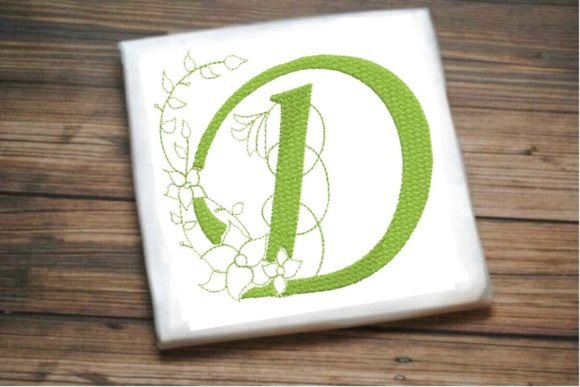
When browsing for a new monogram design to use for a client’s custom wedding gift, I came across the D Letter Vine Monogram Flower on Creative Fabrica. As someone who relies on embroidery files for real projects, not just inspiration, my first question is always: “Will this design work in the hoop?” This review is my honest assessment after considering it for actual handmade products and commercial embroidery.
First Impression: Elegant and Detailed
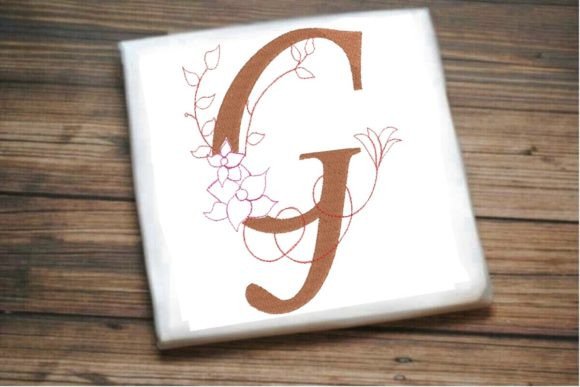
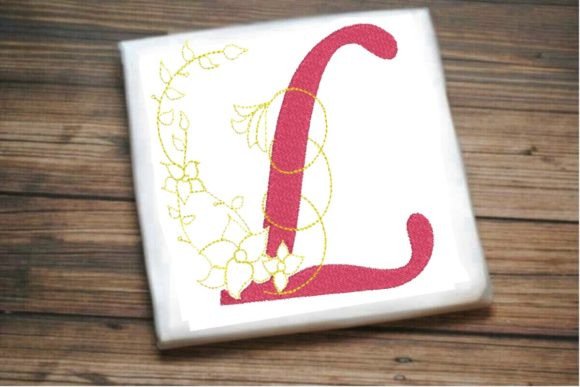
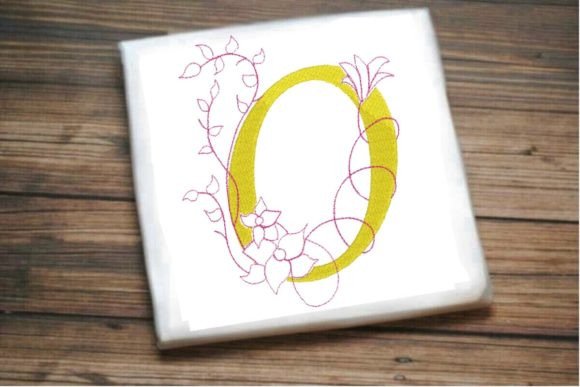
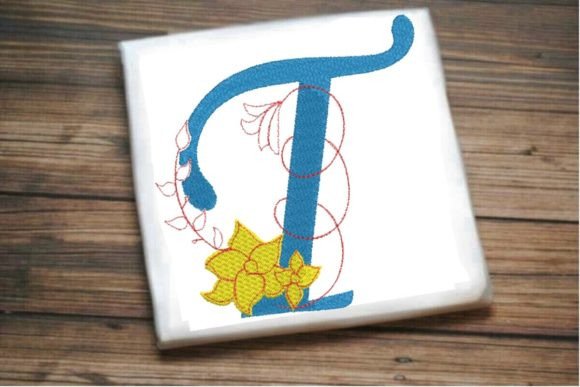
The design’s description calls it “enchanting,” and that’s a fair start. The visual mood is undoubtedly elegant and romantic, with the vine motif creating a soft, organic frame around the letter. The detail level appears high, with the climbing vines offering decorative appeal without looking overly busy. This isn’t a bold, blocky letter; it’s a stitching personality meant for projects where a touch of grace is required. It naturally fits the Wedding Monogram category, but its application could easily extend to any personalized gift where a feminine, delicate aesthetic is desired.
Where This Design Performs Best in Real Projects
Thinking about my upcoming workload, I immediately pictured the D Letter Vine Monogram Flower on several items. Its intricate yet flowing style would elevate products like:
- Custom apparel: Think bridal sweatshirts or rehearsal dinner blouses.
- Tote bags and pillow covers for a coordinated wedding gift set.
- Baby items and nursery decor, where a soft monogram adds a personalized touch.
- Aprons and kitchen towels as a heartfelt gift for a new home.
- Handmade gifts, boutique merchandise, and Etsy listings aiming for a high-value presentation.
The design’s inherent visual appeal directly boosts product value and buyer trust. A well-executed, detailed monogram on a handmade product signals care and craftsmanship. It enhances giftability and makes for beautiful, engaging product photography, which is crucial for online sellers.
Practical Considerations for Successful Stitching
Enchantment on screen must translate to clean stitches on fabric. Here are the practical factors I would consider before running this machine embroidery design for a client order.
Fabric Choice and Stabilizer
The vines and floral details suggest areas of potential density. On textured or stretchy fabrics like sweatshirt material, using a proper, robust stabilizer is non-optional to prevent puckering and maintain detail. For dark fabrics, thread color contrast needs careful planning—a lighter, maybe metallic thread could make this design pop beautifully.
Small Details and Hoop Size
The tiny lettering and fine vine lines are the design's charm, but also its technical challenge. I would strongly advise testing on scrap fabric first. Inspect the small details after stitching to ensure the satin stitches or running stitches defining the vines are clean and not merged. Without knowing the exact hoop size from the product page, one must check the provided details. If the design is offered in smaller hoop sizes, be cautious; very small versions might simplify the detail too much for the intended effect. For curved surfaces like caps, the density and layout would need evaluation to ensure it adapts well.
Commercial Use and File Preparation
For crafters and apparel decorators selling finished items, always confirm the file details and licensing on the Creative Fabrica product page before proceeding. Understanding the allowed use for commercial embroidery is a fundamental step. The digital embroidery file should be examined in your software to review stitch density and count (if provided) to gauge machine time and thread usage. Creating light and dark fabric mockups beforehand helps visualize the final product and plan your thread palette.
Final Thoughts: Is It Worth Using?
The D Letter Vine Monogram Flower is a strong contender for projects demanding a sophisticated, personalized touch. Its decorative appeal can significantly enhance the handmade presentation and brand consistency for sellers focusing on weddings, gifts, or feminine aesthetics.
However, its value is entirely dependent on successful execution. The potential pitfalls lie in the details—not the design’s artistry, but in its translation to fabric. For a real customer order, such as a tote bag or pillow cover for a wedding gift, I would proceed with a plan: test rigorously, stabilize appropriately, and choose compatible fabrics. If the design files are well-constructed and the licensing suits your business, it could become a valuable asset in your Creative Fabrica embroidery library.
My advice to fellow embroidery designers, Etsy sellers, and creative entrepreneurs is this: see this design as a beautiful tool. Its worth isn’t automatic; it’s realized through careful preparation. Check the product specifics, do your due diligence with a test stitch, and then let its exquisite vines adorn your next special project.