Crown Embroidery Design: A Practical Review for Real Projects
When a design file like Crown lands on my desktop, I don't just look at the preview image. I think about its journey from the screen to the hoop, and ultimately, to a finished product someone will wear, use, or gift. Let’s walk through that process with this regal crown embroidery design.
First Impressions: Majesty with a Touch of Warmth
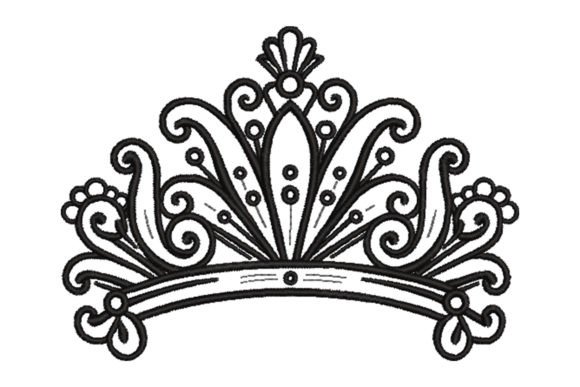
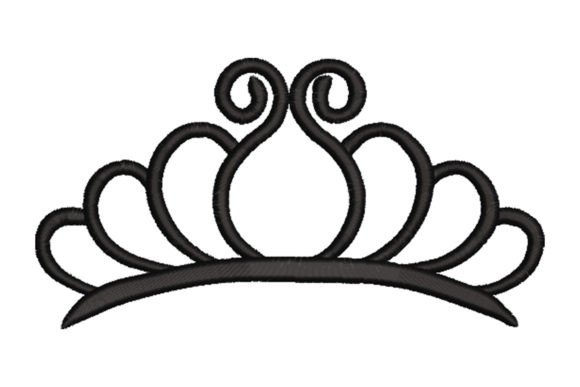
Opening Crown, the immediate feeling is one of dignified elegance, but not cold austerity. The shape is classic and balanced, with intricate detailing that promises a lovely texture when stitched out. It doesn’t scream “royalty” in a theatrical way; instead, it feels more like a symbol of quiet pride, achievement, or celebration. This nuance is important. It tells me this design isn’t just for fantasy costumes—it could beautifully mark a special birthday, a graduation, a “queen of the kitchen” apron, or even become a signature motif for a boutique brand.
The Real-Life Stitching Scenario: A Custom Embroidered Tote
I’m imagining applying Crown to a canvas tote bag for a client’s small shop. This is a classic small shop product—practical, customizable, and popular. The description mentions intricate stitching and metallic threads. On a sturdy fabric like canvas, the stitch density and details should hold up well, creating a tactile, premium feel that elevates a simple bag. The metallic elements would catch the light subtly, making the tote stand out at a craft fair or in an Etsy listing photo. However, the “intricate” note is my cue: I’d absolutely test this design on scrap fabric first, especially with metallic thread, to check for any potential snagging or tension issues on the heavier material.
Where Crown Shines: Elevating Everyday Items
This design’s personality makes it versatile across several embroidery project types. Its refined detail works perfectly for personalized gifts—think a monogrammed crown on a baby embroidery blanket for a little “prince” or “princess,” or stitched onto a linen tea towel as a holiday embroidery gift. For custom apparel, a well-executed Crown on the chest of a heavyweight sweatshirt or denim jacket adds instant brand consistency and value. As an embroidered patch, it could be stunning, provided the small details like the jewel points are clear and don’t get lost in the satin stitch borders.
- Garments & Accessories: Sweatshirts, tote bags, caps (with careful planning), aprons.
- Home & Gift Items: Pillow covers, kitchen towels, nursery decor, framed hoop art.
- Commercial Use: Boutique branding on uniforms, small business merchandise, digital product mockups for sellers.
Caution Zones: Where to Plan Carefully
Not every design fits every surface, and a thoughtful maker knows where to hesitate. The intricacy of Crown means it likely has areas of fine detail and potentially high stitch density. On stretchy fabric like a thin t-shirt, without the proper stabilizer, those dense areas could distort the fabric or cause puckering. Embroidering it onto a curved surface like a cap brim requires checking the file’s layout to ensure the taller points of the crown fit the available space without crowding.
Working on dark fabric introduces the thread color contrast question. The described metallic threads might pop beautifully, but the underlying fill stitches need to be chosen with care to ensure the entire design remains visible and crisp. Also, for items destined for frequent washing—like baby clothes or tea towels—I’d consider simplifying the thread palette or using robust polyester threads to maintain the design’s integrity long-term.
Visual Impact and Customer Perception
From a business perspective, a cleanly stitched Crown conveys professionalism. It shows attention to detail, which builds customer trust. On a handmade product, it moves the item from “simple craft” to “considered design object,” increasing its perceived value and giftability. For the maker, successfully translating this digital embroidery file into a physical finished product provides a strong, recognizable asset that can engage buyers across different platforms.
Practical Designer Notes Before You Hoop It
Before committing Crown to a final project, here’s my mental checklist:
- Always run a test stitch-out on a scrap of your target fabric. This reveals everything about density, thread behavior, and detail clarity.
- Analyze the design in black and white on your software. This helps you see the pure structure, separate from color suggestions, and spot any overly tiny elements.
- Compare how it looks on both light and dark fabric backgrounds in your preview. Plan your thread choices accordingly.
- Confirm the necessary hoop size from the design details. A design with “majestic details” might require a larger hoop than you’d use for a simple logo.
- If you’re creating printable mockups or selling the finished product commercially, confirm licensing before you begin. Know the rules for the digital embroidery file you purchased.
Remember, the product description highlights intricacy and metallic threads. That’s a promise of visual richness, but also a gentle warning to use the right materials and techniques. Pairing metallic threads with appropriate needle types and slower speeds can make all the difference in capturing those majestic details without frustration.
Final Thoughts: A Design with Regal Potential
Crown, as a design concept, holds a lot of potential. It’s more than an icon; it’s a mood. When stitched well on a suitable product, it tells a story of quality and care. It can transform a basic tote bag design into a statement piece, or turn a baby embroidery item into a cherished heirloom. Its success, however, hinges entirely on the maker’s preparation. By respecting its intricate nature, testing its limits, and placing it on projects where its details can truly shine, you’ll unlock its regal potential and create embroidery projects that feel both majestic and genuinely handmade.