Dancing Dog Embroidery for Boutique Apparel Projects
As a professional embroidery designer planning a new sweatshirt and hoodie collection, I’m always looking for designs that translate a clear mood and work reliably on production garments. When I first saw the Dancing Dog embroidery design from Creative Fabrica, its playful and endearing character immediately caught my eye. This isn't just a static Husky portrait; it’s a design with personality, and that’s a valuable starting point for any apparel decorator aiming to create engaging boutique merchandise.
The Visual Mood and Decorative Strength of Dancing Dog
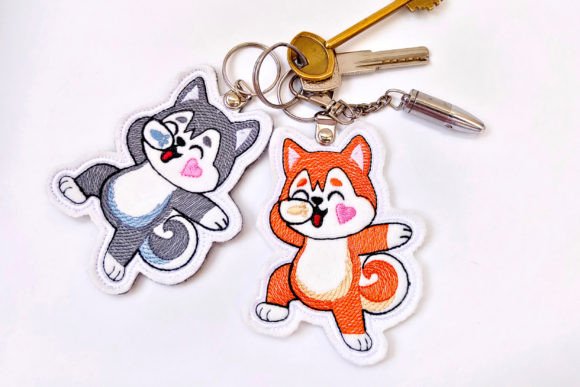
The Dancing Dog design carries a distinctly cute, playful, and universally charming feel. The Husky’s animated posture suggests movement and joy, which creates a positive, lighthearted visual mood perfect for lifestyle brands. For my target audience—which includes dog lovers, families, and anyone seeking a cheerful garment—this design acts as a strong decorative focal point. It feels neither overly minimalist nor excessively rustic; it strikes a balance between being detailed enough to be interesting and clean enough to stitch well on various fabrics.
From a professional standpoint, the detail level appears thoughtfully composed. The focus on the cute Husky face is central, and the dancing elements seem designed to create a cohesive shape rather than a collection of tiny, dense stitch areas that could be problematic on stretchy fabrics. This suggests it has what I call decorative strength: it can stand alone as a statement piece on a garment’s chest or back, but it’s also not so overwhelmingly bold that it couldn’t work as a smaller sleeve accent.
Applying Dancing Dog to a Real Boutique Collection
Imagining my upcoming collection, I envision Dancing Dog on several key apparel items. On a neutral heather grey sweatshirt, the design would pop beautifully, offering a friendly, approachable look ideal for everyday cozy outfits. Stitched on a pastel hoodie—think soft mint or blush pink—the playful mood would amplify, creating a garment with a gentle, feminine touch. For darker apparel, like a black or navy denim jacket, the contrast would be striking, and the design’s inherent cheerfulness would lighten the overall aesthetic.
The design’s scale and shape seem well-suited for the chest placement on oversized garments, a popular and trendy application. It could also be excellent as a central motif on a tote bag, adding value to a simple canvas bag and creating a lifestyle product that extends a brand’s identity. For t-shirts, especially those with a softer drape, the design's likely stitch density would be a key consideration to prevent puckering, but its appealing theme would make it a strong candidate for casual, seasonal tops.
Where Dancing Dog Enhances Commercial Presentation
Beyond the physical stitch-out, the utility of a design like Dancing Dog for digital presentation is significant. For Etsy sellers and small shop owners, using this embroidery file to create clean, professional printable mockups for listings is a straightforward way to build buyer trust and showcase product concepts before production. The design’s clear, charming subject matter lends itself well to lifestyle product photos and social media graphics, helping to drive customer engagement and product recognition. When a brand uses a consistent, high-quality visual element like this across its merchandise, it builds visual consistency and a more professional presentation overall.
Practical Considerations for Apparel Embroidery
While the creative potential is clear, a professional review must always include practical embroidery designer notes. Before committing Dancing Dog to a production run, I would follow my standard protocol.
- Test on Scrap Fabric: First, I would stitch it out on a scrap of the exact fabric I plan to use—whether it’s sweatshirt fleece, ribbed knit, or canvas for tote bags.
- Check Stabilizer Choice: The right stabilizer is crucial, especially for stretchy fabrics or curved surfaces like sleeves. I’d test a few options to ensure the design lays flat without distortion.
- Review Thread Color Contrast: The design’s appeal on dark garments depends on thoughtful thread color selection. I’d experiment with palettes to maximize visibility and mood.
- Confirm Hoop Size & Placement: Based on the product description emphasizing its suitability for clothes and brooches, I’d assume it’s adaptable to various sizes, but I would always verify the exact required hoop size from the Creative Fabrica embroidery product details before proceeding. This is vital for planning placement on small chest areas or larger back designs.
- Inspect Stitch Density: I’d examine the stitch-out closely for any areas that might be overly dense, which could be challenging on thick fleece or fabrics that may stretch or wrinkle under heavy stitching.
- Compare Placement Options: I would stitch multiple samples to see how it looks as a central chest logo, a lower-left sleeve accent, or a large back design to finalize the best look for my collection.
Important Pre-Production Steps for Digital Files
Finally, and this is a non-negotiable step for any commercial embroidery project, I would thoroughly review the Creative Fabrica product details and licensing for the Dancing Dog machine embroidery design. It’s essential to confirm the included file formats, any specific machine compatibility notes, and the commercial use license terms before selling any finished apparel. This protects your handmade business and ensures your small shop products are produced ethically and legally.
The Value of a Well-Chosen Design for Your Brand
Integrating a design like Dancing Dog into a boutique apparel line isn’t just about adding a cute dog to a sweatshirt. It’s about selecting a digital embroidery file that resonates with an audience, stitches reliably across a range of garments, and enhances the perceived value of your custom apparel. For creative entrepreneurs and Etsy sellers, a design with such clear appeal can simplify marketing—it tells a story instantly in product photos and mockups. When executed with professional attention to stabilizer, fabric texture, and thread colors, it elevates the final product from a simple craft to a credible, desirable boutique brand item.
In my planning for a sweatshirt collection, Dancing Dog presents itself as a versatile, mood-setting design that, with careful technical preparation, could become a signature piece for a brand focusing on playful, quality-driven, and engaging handmade products. Its suitability for the described applications—from clothes to brooches—and its target appeal to dog lovers and children align perfectly with many niche markets in the handmade and small business world.