Monsters Read There: A Redwork Embroidery Review
The Charm of a Bookish Monster
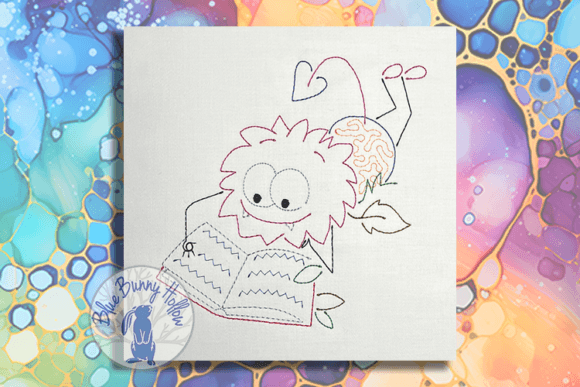
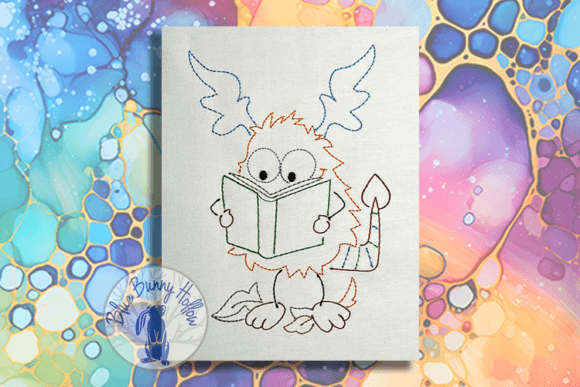
When I first opened the Monsters Read There embroidery file, its immediate charm struck me. This isn't a fierce creature; it’s an adorable monster completely lost in a book. The theme—encouraging young minds to read—is beautifully executed through a simple, engaging scene. As a redwork design, it relies on line and shape rather than dense color fills, which gives it a classic, handcrafted feel. The layout is centered and balanced, making it a forgiving choice for placement on various products. The detail level is thoughtful: enough to convey personality without becoming overly complex, which is perfect for translating into clean stitches.
This design feels like it belongs to a specific world of projects. It has a gentle, encouraging visual personality that leans towards gifts, learning, and cozy decor. My mind instantly went to baby items, nursery decor, and personalized gifts for teachers, librarians, or young readers. It doesn’t scream “holiday” or “wedding,” but it carries a timeless, heartwarming quality that fits boutique products aimed at families and educators.
Where This Design Finds Its Home
In practical application, Monsters Read There performs beautifully across a range of real-life embroidery projects. I envisioned it on a child’s sweatshirt or a tote bag for a book lover—the scale feels right. On custom apparel like t-shirts or baby clothes, the single-color redwork approach means less stitch density, which is gentler on thinner fabrics. As an embroidered patch, it would be delightful, easily applied to a backpack or a denim jacket.
For small business merchandise, this is a strong contender. An Etsy seller could offer it on pillow covers, tea towels, or aprons in a cozy kitchen setting. It translates well into digital product previews and printable mockups because its clear lines show up well in mockups, aiding customer trust. For craft fair products or boutique branding, it adds a niche, thoughtful touch that stands out from more generic designs.
A Real Scenario: The Book Club Tote Bag
Imagine preparing a custom embroidered tote bag for a local bookstore’s book club giveaway. Using Monsters Read There on a natural canvas bag, the red stitches would pop with a handmade, artisanal quality. The reaction? It’s not just cute; it communicates a value—the joy of reading. It feels like a product with a story, which enhances its giftability and perceived value. For a creative entrepreneur, this kind of design can anchor a whole line of reading-themed products, building brand consistency.
Careful Considerations for Stitching Success
While the design is forgiving, some situations require extra attention. On very small hoop sizes, the finer details, like the monster’s expression and the book’s lines, need sharp stitching to maintain clarity. I’d be cautious on highly textured fabrics or very stretchy fabric, as the running stitch outlines might distort if stabilizer isn’t perfect.
Dark fabric is a classic challenge for redwork. You’d need a high-contrast thread (a bright red or perhaps a white) to ensure the design doesn’t disappear. On curved surfaces like caps, the circular, centered layout should work, but testing first is key. The design doesn’t have tiny lettering or overly dense stitch areas, which is a relief for durability on items needing frequent washing, like baby blankets or kitchen linens.
The Professional Impact on Your Work
From a professional designer’s viewpoint, using Monsters Read There affects several aspects of your craft business. Its visual appeal is high and specific, which can increase buyer engagement in your Etsy listings or small shop product pages. The stitching clarity, due to its clean redwork style, contributes to a polished, handmade presentation that builds customer trust.
For commercial embroidery projects, such as producing a batch of aprons for a boutique, this design adds a recognizable, professional touch without being overly commercial. Its niche theme helps it stand out in a market saturated with more generic motifs. As a digital embroidery file, its value lies in its versatility for both personal and commercial projects, but I must stress: always confirm licensing before selling finished items or using it as a design asset in your business.
Practical Notes Before You Hoop the Fabric
Before running this design on your machine, here are my grounded recommendations:
- Test on scrap fabric first. Use the same material and weight as your final project.
- Check thread color contrast against your background fabric. For true redwork, the thread choice is critical.
- Review stitch density in your software if possible. Redwork typically uses running stitches, which are lighter, but verify for any potential fill stitches.
- Confirm hoop size compatibility. The design description didn’t specify exact sizes, so check the file details to ensure it fits your planned hoop.
- Inspect small details like the monster’s eyes and the book’s pages. They should stitch out cleanly; if they seem too fine, consider a slight scale adjustment.
- Test it in black and white mockups to see how it reads without color, useful for understanding its form.
- Compare light and dark fabric backgrounds digitally or with sketches to plan your product line.
- Always use proper stabilizer suited to your fabric. This is non-negotiable for professional results.
- Finally, check whether the design works for both personal and commercial projects according to its license. This step protects your business and respects the designer.
Ultimately, Monsters Read There is more than just an embroidery file from the Games Leisure category. It’s a thoughtful embroidery design with a clear purpose and a warm personality. It invites you to create finished products that carry a message and resonate with a specific audience. For the maker looking to add value and story to their work, this design is a practical and charming choice.