The Decorative Heart Embroidery Design for Your Craft Booth
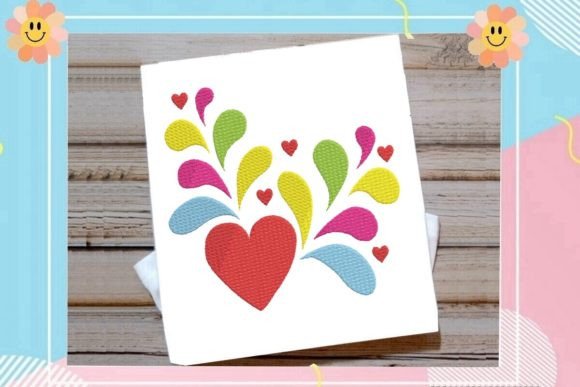
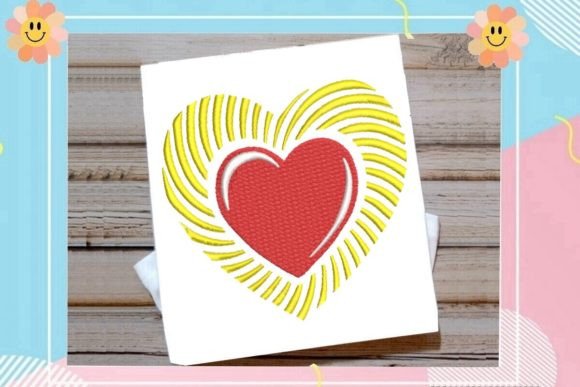
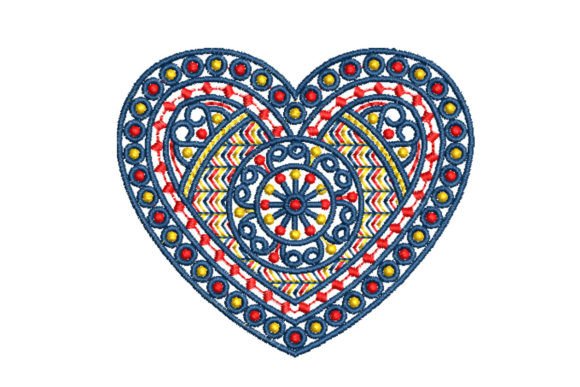
As I prepare for my weekend craft fair booth, reviewing potential embroidery designs is a critical step. The Decorative Heart lands on my worktable with a promising description: quick, easy, and versatile. My first impression leans toward soft, decorative, and genuinely approachable. It doesn’t scream bold or overly festive; instead, it feels like a timeless, charming accent. This mood is perfect for handmade markets where customers seek personality without overwhelming novelty.
Where This Heart Design Stands Out on Product
In my booth, I’ll have a mix: tote bags, aprons, tea towels, caps, patches, pouches, pillow covers, and giftable items. The real question is where the Decorative Heart will shine and sell.
On tote bags and market bags, this design could work beautifully as a single, well-placed accent near the top corner. It feels giftable and personal, suggesting the bag itself could be a thoughtful present. For kitchen towels and aprons, the heart adds a touch of homemade warmth without being strictly seasonal. It elevates a basic tea towel from utilitarian to a boutique kitchen item.
Smaller applications are where I see real potential. As an embroidered patch, it’s instantly understandable. Patches are hot sellers for craft fairs—easy to produce in batches and customers love the versatility. On a fabric pouch or small cap, the heart becomes a focal point of whimsy. For pillow covers, especially in a pair, it creates a cohesive, cozy home decor line that extends beyond Valentine’s Day.
Practical Production: Making It Work for Your Business
The description calls it a “quick and easy” machine embroidery design. That’s music to a maker’s ears preparing for batch production. Speed and simplicity mean I can run multiples efficiently, crucial for stocking a booth with enough inventory.
However, “easy” doesn’t mean skip testing. My first step is always to stitch this embroidery file on scrap fabric that mimics my final products—like canvas for bags or linen for towels. I need to check the stitch density on denser fabrics and ensure tiny details don’t get lost. Thread contrast is key; on dark fabric, I might need a bright pop or a lighter background stabilizer to keep the heart crisp.
Hoop size matters for practicality. If the design works in a smaller hoop, I can produce smaller items like patches faster. I’ll also inspect it on textured surfaces, like the curved front of a cap, and on thicker fabrics like apron twill. A design that loses clarity when scaled down won’t work for small accent items, so that’s a vital check.
Selling Power at the Booth and Online
At the craft fair, visual appeal is everything. The Decorative Heart, by its nature, is likely to draw a gentle, appreciative look. It won’t be the loudest design on my table, but it will speak to customers seeking a classic, handmade touch. On a pillow cover or tote displayed prominently, it can anchor a “home and gifts” section of my booth.
For my Etsy seller side, photography is paramount. This type of design photographs well when stitched cleanly on a neutral or complementary fabric. It should look intentional and enhance the product value. In an online listing, a printable mockup can help, but a photo of the actual finished product—a real embroidered tea towel—will always sell the handmade quality better.
Brand consistency comes into play. If my small shop leans toward rustic or soft minimalism, this heart fits seamlessly. It feels repeatable; I could envision a line of heart-embroidered kitchen items that become a signature.
Careful-Use Notes for the Professional Maker
Before committing to a production run, here are my on-the-ground embroidery designer notes:
- Always test on scrap fabric first. Run the design on the actual materials you’ll use: towel linen, bag canvas, patch felt.
- Check thread contrast for both light and dark backgrounds. A few extra sample stitches can prevent a whole batch from looking muddy.
- Review the spacing within the design. Is it open enough to read as a heart at a glance from a few feet away at the booth?
- Inspect stitch density in any dense areas. Too dense on a tea towel could cause puckering; on a cap, it might create stiffness.
- Use the right stabilizer for the fabric texture. A kitchen towel needs different support than a tote bag.
- Create at least one real mockup of your intended final product—a real pillow, a real apron. This tells you more than any digital preview.
- Compare how the design looks on various fabric colors. It might sing on cream linen but fade on grey.
- Most crucially, confirm the commercial embroidery license for the digital embroidery file before selling finished products. Never assume.
Final Judgment for the Craft Fair Table
The Decorative Heart earns its place in my production schedule. It’s not a niche seasonal item; the “Valentine’s Day” category is a starting point, but its decorative mood makes it a year-round seller. It promises quick production, which is vital for batch-making craft fair products. It has clear applications on high-selling items like patches, totes, and towels.
Its success will hinge on execution: clean stitching, thoughtful placement, and pairing it with quality bases. On my booth table, among other handmade items, it will attract customers looking for a personal, premium touch. It enhances buyer engagement by being instantly lovable and versatile—a customer can imagine it on a gift, in their home, or on their own bag.
For fellow embroidery business owners, boutique makers, and creative entrepreneurs, this design represents a solid, reliable option. It won’t be your only star, but it will be a dependable performer that adds cohesive charm to your product line and strengthens your booth display with genuine handmade appeal.