Ethnic Geometric Embroidery: A Designer's Review for Merchandise
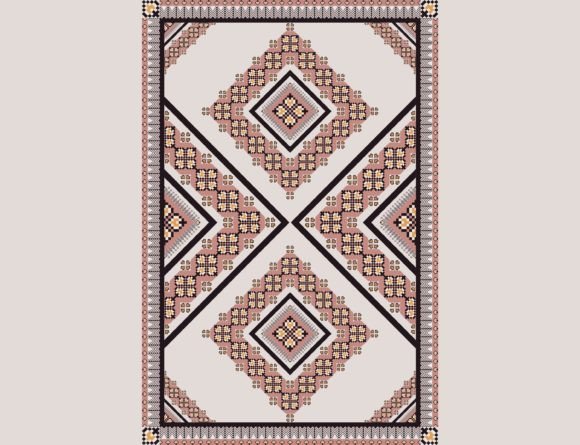
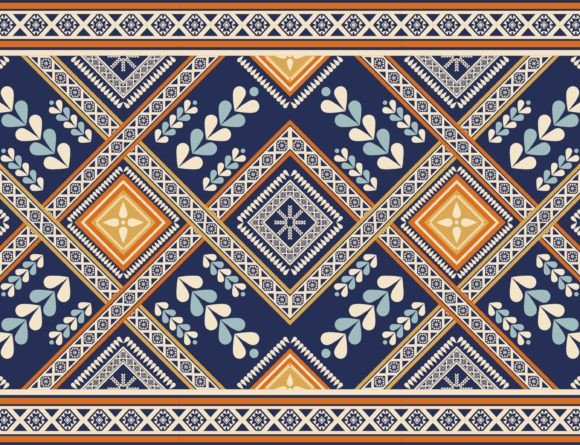
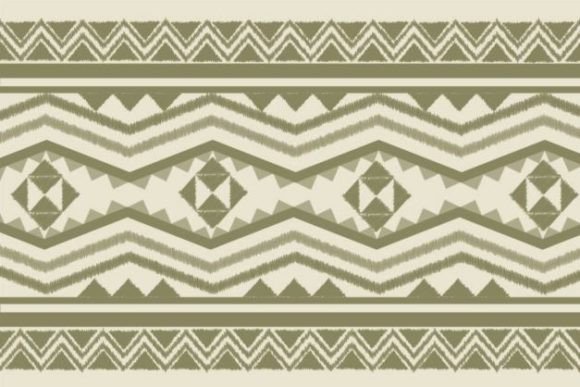
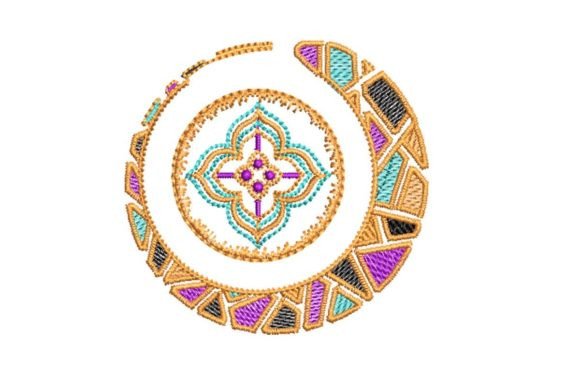
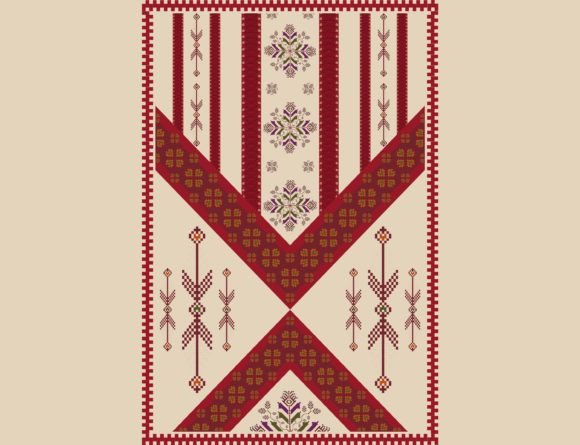
When a small business hands me a design for use on merchandise, my first question is always: can this translate into stitches? Looking at Ethnic Embroidery Geometric Pattern, I see a strong foundation for business branding. The pixel art style suggests a crisp, structured aesthetic, while the ethnic inspiration brings a sense of heritage and craftsmanship. My initial impression is that this pattern leans towards a modern yet classic look—it feels handmade in spirit but professional in execution. It carries a bold, graphic quality that can communicate confidence, whether for a rustic café, an elegant boutique, or a creative design studio.
Translating the Pattern into Branded Business Merchandise
The description mentions use for home decoration, but its true potential lies in wearable and usable branding. As an embroidery designer, I evaluate a pattern based on its application across common small business merchandise. For Ethnic Embroidery Geometric Pattern, several applications stand out.
For staff uniforms and work shirts, this design could serve as a superb chest logo accent or sleeve detail. Its geometric nature allows it to be scaled effectively without losing core identity. On an apron for a bakery or florist, it would add a decorative yet functional branded touch. As a cap embroidery design, the symmetrical elements would likely center well on the front panel. Perhaps its most versatile use is as a standalone embroidered patch. Patches are incredibly popular for small business merch—they can be affixed to tote bags, sold as collectibles, or used as product labels for a handmade shop.
Where This Geometric Pattern Excels
- Chest Logos & Accents: The bold lines offer high recognition on polo shirts or denim work shirts.
- Tote Bag Design: As a central mark on a canvas bag, it creates a premium, artistic product.
- Apron Embroidery: Adds a sophisticated touch to utilitarian garments for retail or food service.
- Standalone Patches: Perfect for Etsy sellers or craft businesses to create branded merchandise or customer gifts.
- Product Packaging Accents: A small embroidered version could elevate a simple product tag or label.
Considerations for Successful Commercial Embroidery
Not every beautiful graphics file translates seamlessly to needle and thread. Here are key points a business owner must consider before producing custom apparel with this pattern.
Scale is Critical: The intricate, pixel-inspired details mean you must test the embroidery file at the intended size. For a small patch size or a cap front, some fine lines may need simplification to prevent stitch crowding. Always create a mockup for client approval at the actual dimensions.
Fabric and Context Matter: This design would shine on mid-weight fabrics like cotton or canvas. On dark uniforms, you'll need to plan thread color contrast carefully—bright, contrasting threads would make it pop. On curved surfaces like caps, ensure the digitized file accounts for the curvature to avoid distortion.
Essential Designer Pre-Production Checklist
- Test in Black and White First: Simplify the color palette to understand the core structure and stitch density.
- Review Thread Color Contrast: Select colors that ensure the pattern remains distinct on your chosen fabric.
- Inspect Element Spacing: Ensure gaps between geometric elements are wide enough for clean stitching.
- Confirm Hoop Size: The final machine embroidery design must fit your available hoop for production.
- Test on Real Fabric: Run a sample on the actual material (e.g., apron twill, cap fabric) using the proper stabilizer.
- Compare Beside Other Brand Assets: Does Ethnic Embroidery Geometric Pattern harmonize with your logo and fonts visually?
- Confirm Commercial Licensing: Before any business use, verify the license for this digital embroidery file permits commercial embroidery projects.
Building Brand Identity Through Stitched Details
Embroidery isn't just decoration; it's a tactile brand statement. Using Ethnic Embroidery Geometric Pattern thoughtfully on merchandise directly affects customer perception.
It elevates product value. An embroidered tote feels more premium than a printed one. It reinforces visual consistency across your merch line—the same pattern on an apron, patch, and cap creates a cohesive brand world. For a handmade product business, using an embroidered element on packaging or labels reinforces the artisan ethos. Most importantly, it builds customer trust and recognition. A clean, well-executed embroidered mark on staff uniforms signals professionalism and attention to detail, making your brand memorable.
The pattern’s ethnic geometric roots can communicate a story of tradition and care, which resonates deeply in markets like food, crafts, and design. This engages buyers on a level beyond the transactional.
Applications to Approach with Care
- Very Small Patch Sizes: Detail may be lost; consider a simplified version.
- Items Requiring Frequent Washing: High stitch density in small areas might wear faster; use robust threads.
- Textured Fabric: On heavily textured materials, the clean lines might not appear as sharp.
- Tiny Lettering: If the pattern incorporates any minute text, it likely won't embroider well.
- Detailed Outlines: Ensure outlines are digitized with appropriate stitch types for durability.
Ultimately, Ethnic Embroidery Geometric Pattern presents a compelling opportunity for small businesses looking to upgrade their brand identity through tangible, stitched goods. Its geometric strength offers flexibility, and its artistic vibe adds character. The journey from a patterns file to a finished product on a cap or bag requires careful digitization and testing, but the result—a unique, high-quality branded item—can be a powerful tool for engagement and growth. Always start with a printable mockup and a physical stitch test. Your merchandise is an ambassador for your brand; make every stitch count.