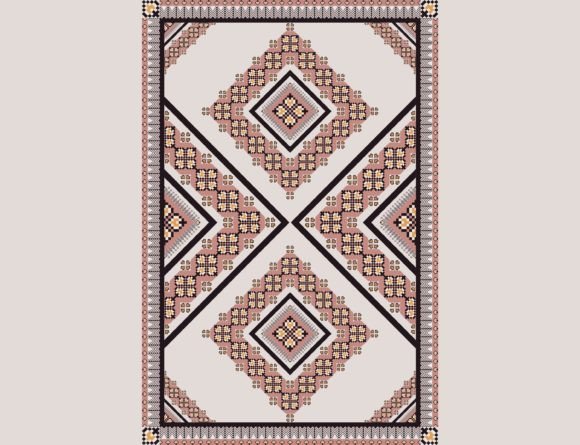
A Professional Review of the Floral Geometric Embroidery Pattern
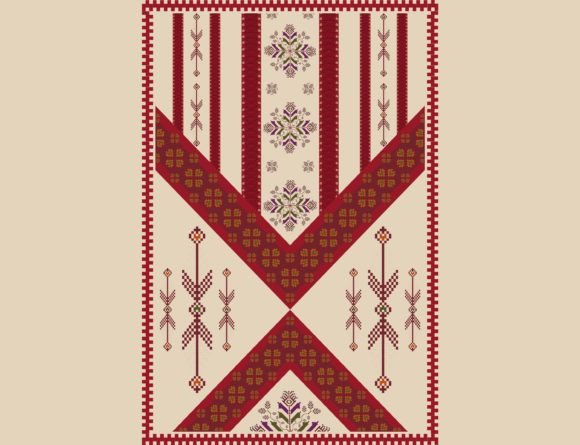
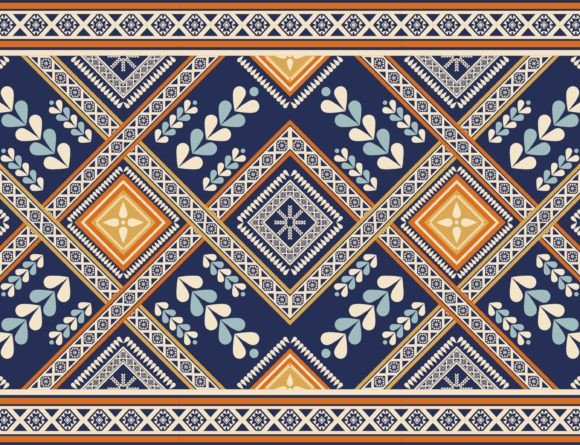
As an embroidery designer preparing for a weekend craft fair, the first thing I do is evaluate new designs with a practical, sales-focused eye. I'm looking at the Floral Geometric Embroidery Pattern today, imagining it stitched onto a range of products for my booth. The description mentions a colorful, ethnic geometric floral square, and that immediately gives me a strong first impression. This pattern feels bold, modern, and decorative. It has a graphic, pixel-art quality that suggests a contemporary, yet premium aesthetic—perfect for appealing to customers looking for something eye-catching and unique, not just cute or rustic.
Where This Pattern Shines on Craft Fair Products
My table display will feature embroidered tote bags, aprons, tea towels, patches, caps, pouches, and pillow covers. The Floral Geometric Embroidery Pattern isn't a subtle accent; it's a statement. On a solid-colored tote bag or a market bag, this design would become the entire focal point. Its geometric clarity makes it easy to understand at a glance from a few feet away, which is crucial for grabbing attention in a busy fair environment. On a pillow cover, it transforms the product into a modern home decor item. For a tea towel or apron, it elevates a simple kitchen item into a decorative piece a customer might buy as a gift.
As an embroidered patch, this design could be incredibly popular. The square, pixel-art structure is ideal for a patch format, and its ethnic geometric vibe resonates with current trends. However, its use on caps requires careful thought. The curved surface of a cap can distort a rigid geometric pattern, and small details might get lost. It would be better suited as a larger, centered design on the front panel of a structured cap rather than as a small side logo.
Practical Production and Selling Points
Turning this digital embroidery file into physical handmade products requires a production-minded review. The description mentions it’s intended for carpets and rugs, which implies a large-scale, dense design. For my craft fair products, scale is key.
Scale and Photographability
This pattern likely works best as a large focal design. On a small fabric pouch, a reduced version might lose the intricate geometric and floral interplay, becoming a muddy blob. For batch production, I need to confirm the hoop size required. If it’s a large design, it might only be efficient for bigger items like tote bags or pillow covers, not for smaller, quicker-to-produce items. A major selling advantage is how it photographs. Graphic, colorful patterns like this look fantastic in Etsy listings and printable mockups. The contrast and clear shapes make for strong, professional-looking online photos that can drive sales even before the fair.
Stitch Density and Fabric Considerations
The words "vector geometric floral" suggest clean lines, but "area rug pattern" hints at potential stitch density. Dense stitch areas can be time-consuming to embroider and may require specific stabilizer and machine settings, especially on textured towels or thicker fabrics like canvas for bags. Before any batch production, I must test this design on scrap fabric. I'll check thread contrast against various fabric colors—this colorful pattern might pop on light fabrics but could lose vibrancy on dark fabric unless using very bright threads. Fabric texture also matters; the design's clarity could be softened on a linen tea towel, which might actually enhance its handmade, premium feel.
Designer Notes for a Successful Booth
To ensure this pattern boosts my booth's success, I follow a strict pre-production checklist.
- Create a Real Mockup: I will stitch this onto at least one final product, like a tote bag, to see it in person. This reveals how the thread colors interact and shows the true handmade quality.
- Review Spacing and Repeatability: For batch production, I need to see if the design layout allows for efficient hooping and stitching across multiple items. Is it a single, centered motif perfect for batch work?
- Confirm Commercial Use: The product category is Patterns and type is Graphics. I must verify the commercial embroidery license terms for this embroidery file before selling any finished product. I cannot assume.
- Compare Fabric Colors: I'll lay out my standard fair fabrics—natural canvas, white cotton, denim, linen—and imagine the pattern on each. This dictates my production plan and booth display palette.
Final Judgment on Customer Appeal and Value
The Floral Geometric Embroidery Pattern has strong potential to increase product value. It feels deliberate and artistic, which customers perceive as higher handmade quality compared to simple, generic motifs. For my small shop product line, it adds brand consistency if I use it across a coordinated collection—say, a tote, pouch, and patch—creating a powerful, cohesive booth display.
Its boldness directly affects customer attention and buyer engagement. A well-embroidered sample bag with this pattern can act as a silent salesperson in my booth. People will touch it, ask about the stitches, and comment on the colors. That engagement is what converts browsers into buyers. In conclusion, this pattern is a winner for standout, graphic items intended as statement pieces or premium gifts. Its success hinges on practical testing—respecting its potential density, choosing the right product canvases like bags and home decor, and ensuring every stitched sample in my booth is flawless, proving the design's worth in thread and fabric.