Ethnic Tribal Embroidery Design for Boutique Sweatshirts
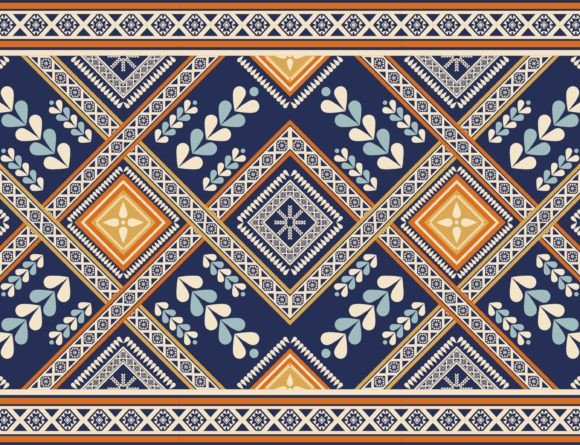
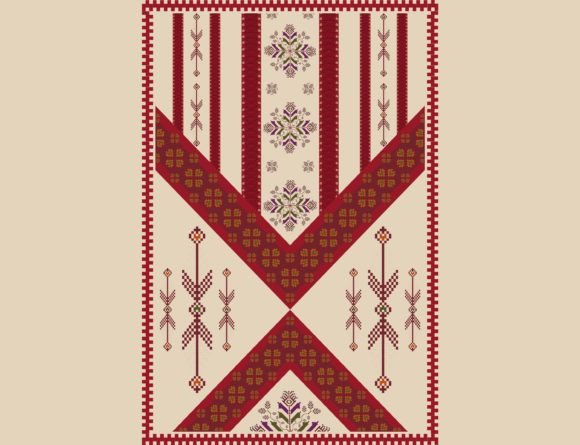
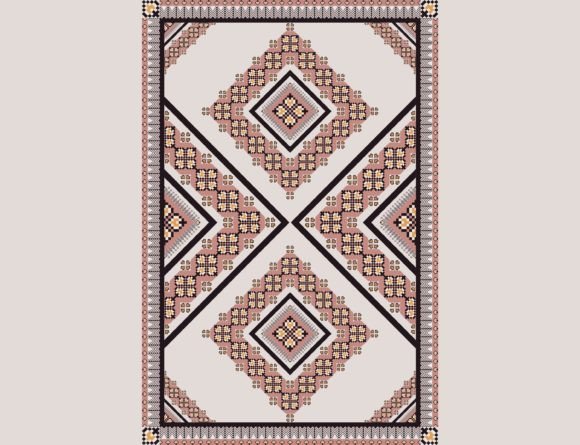
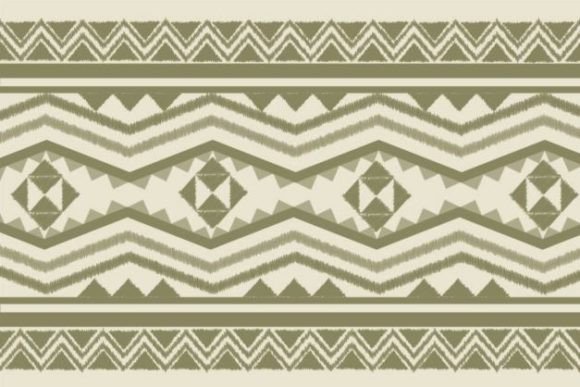
When a boutique client approached me about a limited sweatshirt drop, they wanted something that felt contemporary yet deeply rooted in craft. The design they selected, the Ethnic Tribal Embroidery African Pattern, immediately caught my attention. It’s described as a seamless repeat pattern with a mood color palette, featuring zigzag strips, abstract triangles, and a watercolor doodle aesthetic. From a professional embroidery designer’s perspective, reviewing this graphic for a premium garment application involves peeling back the layers to see its potential on fabric.
First Impression: Mood and Layout on Fabric
The first thing I look at is the mood. The mention of "water color" and "doodle" suggests a soft, artistic feel, while "tribal abstract" and "zigzag strip" imply structured energy. This juxtaposition is exciting. On a neutral sweatshirt—a cream or oatmeal cotton blend—this Ethnic Tribal Embroidery African Pattern would sing. The softer elements would blend gently, while the geometric triangles and zigzags would provide crisp contrast, creating a design that is both decorative and playful without being overly bold.
The layout, being a seamless repeat, is a huge advantage for apparel decorators. It means the pattern can be adapted. For a chest placement on a hoodie, you might use a condensed section. For a full back design on an oversized sweatshirt, you could let the repeat flow, creating a striking, all-over graphic that feels premium and intentional. The abstract nature gives it a contemporary edge, moving away from literal motifs into something more evocative.
Application for Sweatshirt Embroidery and Boutique Merch
Let’s talk application. Sweatshirt embroidery, especially for a small shop product, needs to consider fabric thickness and texture. A premium, heavier sweatshirt fabric provides a great canvas, but it also demands a machine embroidery design with thoughtful stitch density. The "zigzag strip" and "abstract triangle" elements in this pattern likely translate into satin stitches or complex fill patterns. On a dark fabric like charcoal or navy, the chosen thread colors will need excellent contrast to maintain readability and impact, making the mood color palette a critical selection.
For a boutique brand building a cohesive collection, this design offers versatility. Imagine it as a sleeve accent on a pastel pink hoodie for a softer, feminine look, or as a bold statement on a black crewneck for a more rustic, grounded aesthetic. In lifestyle product photography, these variations would tell a story. A mockup preview showing the design on different garment colors would be essential for Etsy listings and customer engagement, helping buyers visualize the final handmade product.
Practical Designer Concerns for Production
Moving from vision to production raises practical questions. As an embroidery file intended for garment use, key details must be confirmed. The stitch density must be appropriate for sweatshirt fabric; too dense can stiffen the garment, too light might not hold up to washing durability. The scale of the detail is crucial: will the intricate elements of the doodle design remain readable when stitched in a small size for a chest logo?
Hoop placement and stabilizer choice are fundamental. A seamless repeat pattern might require careful planning for larger hoop sizes if used as a back design. A quality cutaway stabilizer would likely be my recommendation for sweatshirts to ensure the embroidery holds its shape through wear and washes, reinforcing that premium feel. These are the unseen factors that build buyer trust—a design that looks beautiful and lasts.
I must remind fellow crafters and digital sellers: the provided description doesn’t specify exact stitch count, file formats, or license terms. Before proceeding to commercial embroidery, always verify these technical details with the digital embroidery file provider. They are the blueprint for a successful finished product.
Building Brand Identity and Product Value
For creative entrepreneurs, a design like this isn’ just a graphic; it’s a brand asset. The Ethnic Tribal Embroidery African Pattern, with its unique fusion of tribal abstraction and contemporary watercolor flow, can become a signature visual for a small brand. It offers visual recognition without being generic. On custom apparel, it communicates a commitment to unique, thoughtful design.
This directly affects product value. A well-executed, durable embroidery using this pattern elevates a simple sweatshirt into a boutique-worthy piece. It supports a handmade presentation, showing care in selection and execution. For the customer, it feels special—not mass-produced. In the crowded space of apparel, that authenticity drives engagement and loyalty.
Ultimately, reviewing this pattern for a real boutique sweatshirt project, I see strong potential. It feels bold enough to stand out yet casual enough for everyday wear. Its decorative elements are balanced by a minimalist repeat structure, making it adaptable. With attention to thread color contrast, fabric texture, and production details, the Ethnic Tribal Embroidery African Pattern can translate from a compelling graphic into a cornerstone of a beautiful, cohesive apparel collection.